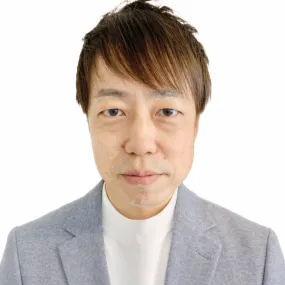
Mr. Takehiko MATSUO
Semiconductor Steering Committee Director, SGS Japan
Takehiko Matsuo is a Semiconductor Steering Committee Director at SGS Japan and an expert in functional safety and cybersecurity for semiconductor applications. With more than a decade of experience in functional safety engineering, Takehiko Matsuo has supported automotive and industrial semiconductor development in compliance with international standards such as ISO 26262, IEC 61508, and ISO 21434. Since joining SGS in 2011, Takehiko Matsuo has held multiple technical and leadership roles, including Functional Safety Manager, Functional Safety and Cybersecurity Project Engineer, and Technical Team Leader for semiconductor services.
Throughout his career, Takehiko Matsuo has supported approximately 50 semiconductor manufacturers and more than 100 semiconductor projects, covering a broad range of technologies such as MCU, SoC, ASIC, memory, and AI IP. This includes advanced automotive and AD/ADAS applications such as LiDAR, millimeter-wave radar, and camera systems. He has extensive hands-on experience with SEooC-based development, IC- and IP-level safety requirements, safety mechanism derivation, FMEA and FMEDA, DFA implementation, and failure injection. In addition, he holds multiple professional qualifications in functional safety and automotive cybersecurity and is actively engaged in promoting practical, realistic safety design approaches for increasingly complex semiconductor systems.
Presentation Title
AI-Enabled Transformation and Safety Design for Semiconductors
As AI is increasingly integrated into automotive and industrial semiconductors, ensuring safety at the semiconductor level has become a critical challenge. Unlike conventional designs, AI-enabled semiconductors introduce higher complexity, limited predictability, and new failure modes that can directly impact system-level safety. This seminar highlights the importance of safety-oriented design for AI-enabled semiconductors. It outlines key AI-driven trends in automotive and industrial applications and explains how current functional safety standards, including ISO 26262 and ISO/PAS 8800, address these challenges. Furthermore, the session introduces a practical and realistic approach to Failure Modes and Effects Analysis (FMEA), demonstrating how effective safety analysis supports robust design decisions in complex AI-based semiconductor development. Participants will gain a clear understanding of why safety design for AI-enabled semiconductors is essential and how it can be applied effectively in real projects.